

TIME:2017-07-19 Source: This site
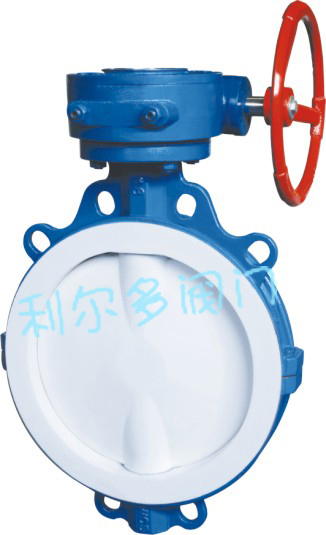
Clamp type fluorine lined butterfly valve Introduction:
1. The fluorine lined butterfly valve adopts a fluorine lined plastic disc with a spherical sealing surface, and is equipped with a silicone rubber gasket at the base of the valve seat to adjust the sealing performance of the valve; The valve is easy to operate, has tight sealing performance, and has a long service life;
2. It can be used to quickly cut off or adjust the flow rate. Suitable for occasions that require reliable sealing and good adjustment characteristics.
The valve body adopts a split type design, and the sealing of the current end of the clamp type butterfly valve shaft is controlled by adding fluororubber to the rotating base surface between the butterfly plate and the valve seat, thereby achieving a compact product structure, beautiful appearance, reasonable process, and reliable performance.
3. Ensure that the valve shaft does not come into contact with the fluid medium inside the chamber, making it convenient to replace the valve shaft. The valve does not need to be removed from the pipeline to complete the replacement.
4. The product is widely used for the transportation of liquids and gases (including vapors) in various types of industrial pipelines, especially in applications with severely corrosive media such as sulfuric acid, hydrofluoric acid, phosphorus, acid, chlorine gas, strong alkali, aqua regia, and other highly corrosive media.
What aspects should be taken into account for quality inspection of clamp type fluorine lined butterfly valves
clamp-on Fluorine-lined Butterfly Valve Installation, maintenance and upkeep:
1. Corrosion resistant valves and pipeline accessories lined with fluoroplastics or plastics have the following characteristics in terms of product installation, maintenance, and upkeep due to their inherent special properties:
2. The flange cover plate of valves or fittings cannot be disassembled at will, unless it is prepared to be connected to the pipeline. Otherwise, the FEP flange surface may be scratched or twisted due to temperature difference or foreign objects, which may affect the sealing. If the cover plate needs to be moved for inspection, it must be quickly reset after inspection to protect the FEP flange surface.
When connecting fluoroplastic or plastic lined valves and fittings with pipelines, gaskets are generally not used separately. However, when connecting with flange surfaces made of dissimilar materials (such as metal surfaces), suitable gaskets should be used to protect the FEP flange surface.
4. If there is a leakage of the clamp type fluorine lined butterfly in the system during use at high temperatures, the system temperature should be lowered to room temperature first, and then the cause should be identified and repaired.
5. No high-temperature welding work is allowed on valves and fittings to avoid damage to the lining layer.
6. During installation, the flange nuts should be tightened evenly in a diagonal direction (symmetrical) and matched with appropriate torque;
7. If there is a leakage on the flange sealing surface and the nut at the leakage location is already locked, the nut at the leakage location should be loosened by half a circle, and then the opposite side should be tightened again with the same torque.
If the above methods still fail to stop the leakage, the flange surface should be checked for any bumps, indentations, or scratches. At that time, fine sandpaper and cloth can be used to level and reconnect.
Zhejiang Lierdao Valve Co., Ltd
Hotline 0577-86860737
Address:
No. 903, Jinhai 3rd Road, Longwan Airport New Area, Wenzhou, Zhejiang, China
Scan to Inquire:

Copyright © 2026 Zhejiang Lierduo Valve Co., Ltd. All Rights Reserved.
