TIME:2024-06-20 Source: This site
Selection and installation tips for fluorine lined check valves
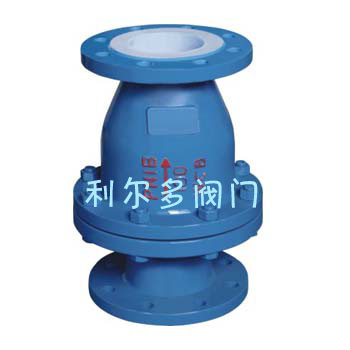
check valve It plays a critical role in many industrial applications, and its correct selection and installation directly affect the safety and efficiency of the system. The following are detailed tips for selecting and installing fluorine lined check valves:
Tips for selecting fluorine lined check valves 1. Applicable medium:
Applicable: Cleaning media such as water, weak acids, weak bases, and other liquids without solid particles.
Not applicable: media containing solid particles and high viscosity, as these media are prone to clogging valves and affecting their normal operation.
2. Diameter and valve type selection:
Low pressure valves with a diameter of DN50mm or less:
Suggested types: butterfly check valve, vertical lift check valve, and diaphragm check valve. These valves are suitable for small-diameter and low-pressure applications, with a compact structure that is easy to install and maintain.
Low pressure valves with a diameter DN greater than 200mm and less than 1200mm:
Suggestion type: Wear free spherical check valve. This type of valve has good sealing and wear resistance in large-diameter applications.
Low pressure valves with a diameter DN greater than 50mm and less than 2000mm:
Suggested types: butterfly check valve and diaphragm check valve. These valves are suitable for medium to large diameter low-pressure applications and can effectively prevent water hammer and impact.
3. Application of diaphragm check valve:
Advantages: Diaphragm check valves are less prone to water hammer formation in pipelines, and the diaphragm can effectively eliminate the impact generated by upstream media.
Limitations: Due to temperature and pressure limitations, it is generally suitable for pipeline systems at low or normal temperatures.
4. Waterproof hammer design:
● Require relatively small water hammer impact when closing: Slow closing rotary opening and closing check valves and slow closing check valves should be used, which can effectively reduce or eliminate water hammer phenomena and protect pipeline systems.
Construction and installation points of fluorine lined check valve 1. Installation position and direction:
The installation position and height should meet the design requirements.
Pay attention to the direction of the medium flow, which should be consistent with the arrow direction on the valve body, to ensure the correct flow of the medium.
The connection should be firm and tight to prevent leakage.
2. Appearance inspection:
Before installation, a visual inspection must be conducted to ensure that the valve is not damaged or defective, and that the valve plate meets the requirements of current national standards.
3. Independent support:
For large fluorine lined check valves, they should be independently supported to prevent them from being affected by the pressure generated by the pipeline. Independent support can reduce the stress on valves during use and extend their service life.
By using the above tips, it is possible to better select and install fluorine lined check valves, ensuring their optimal performance in the system and ensuring the safe and efficient operation of the pipeline system.