TIME:2025-04-28 Source: This site
How does PTFE lined valve perform at extreme temperatures?
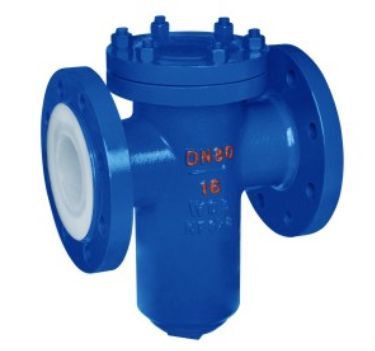
PTFE lined valve It is a special valve with high-performance fluoroplastics such as polytetrafluoroethylene (PTFE) as the inner lining, which has excellent corrosion resistance, wear resistance, high and low temperature resistance, and excellent sealing performance. It is widely used in chemical, metallurgical, power, pharmaceutical, environmental protection and other fields.
Under extreme temperature conditions, PTFE lined valves exhibit the following characteristics:
1、 High temperature performance The long-term use temperature range of polytetrafluoroethylene is usually between -100 ° C and+180 ° C, and it can withstand higher temperatures in the short term (about 200 ° C).
Under high temperature conditions, PTFE lined valves can:
1. Maintain excellent chemical corrosion resistance and do not react with most chemical media.
2. Maintain good sealing and prevent softening and leakage.
Although the material has a certain degree of thermal expansion, a reasonable valve design (such as compensation structure) can effectively avoid deformation or jamming problems.
Attention: Continuously exceeding the temperature limit of PTFE may lead to a decrease in material performance, and the selection should be based on the working conditions.
2、 Low temperature performance At low temperatures (up to -100 ° C or even lower), PTFE lined valves can still maintain:
1. Good toughness and softness, without brittle cracking.
2. Excellent sealing effect to prevent medium leakage.
3. Stable chemical properties that do not deteriorate even in frozen or cryogenic conditions.
Therefore, PTFE lined valves are very suitable for applications such as liquid ammonia, liquid nitrogen, and low-temperature liquids.
3、 Summary PTFE lined valves can maintain excellent corrosion resistance and sealing performance under high or low temperature conditions, making them a reliable valve choice for handling highly corrosive fluids and extreme temperature conditions.
However, when used at this temperature, appropriate models and reinforced designs (such as using modified PTFE or other high-temperature fluoroplastic materials) should be selected based on the specific medium and working environment to ensure the long-term safe and stable operation of the system.