TIME:2024-10-11 Source: This site
Process flow of PTFE lined valve
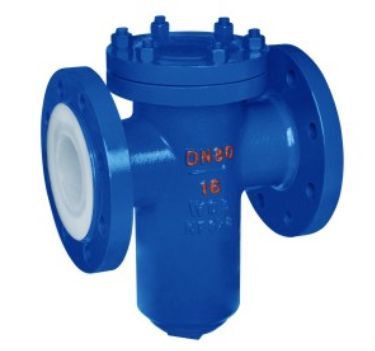
PTFE lined valve It is a special valve used for handling corrosive media, lined with polytetrafluoroethylene (PTFE) inside. This material has strong corrosion resistance and is therefore widely used in fields such as chemical and pharmaceutical industries that require high corrosion resistance. Next, let's take a look at PTFE lined valves
process flow .
1. Design phase The manufacturing of PTFE lined valves begins with design. At this stage, engineers will determine the specifications, dimensions, operating temperature, and pressure range of the valve based on the specific needs of the customer. Although PTFE materials have strong corrosion resistance, they are not resistant to high temperatures, so temperature parameters are particularly important.
2. Valve body casting After the design is completed, the metal valve body of the valve will be cast. The commonly used materials are cast iron, stainless steel, or carbon steel, depending on the requirements of the medium being processed. This step requires ensuring that the surface of the valve body is smooth, so that the subsequent PTFE lining process can proceed smoothly.
3. Surface treatment Before lining with PTFE, the metal surface inside the valve body needs to be treated. Usually, sandblasting is used to remove the oxide layer and impurities on the surface, increasing the surface roughness. This helps with the adhesion of PTFE materials in the future, ensuring that the lining layer is tighter and less prone to detachment.
4. PTFE lining The next step is the crucial PTFE lining process. There are two common processing methods for PTFE materials: molded lining and hot-melt lining. Molded lining is the process of placing PTFE powder into a mold, heating and applying pressure to form a uniform lining layer; The hot melt lining is made by heating and softening the PTFE material, and then directly adhering it to the inner wall of the valve body. The different process methods depend on the type and size of the valve.
5. Processing and assembly After the PTFE lining is completed, other components of the valve will be processed and assembled. This includes the installation of valve stems, seals, and other accessories. Valves lined with PTFE usually require special attention to sealing, as once the sealing is poor, corrosive media may directly affect the metal valve body.
6. Quality inspection After the valve assembly is completed, strict quality inspection must be carried out. Firstly, the integrity inspection of the lining layer is carried out to ensure that the PTFE material is evenly distributed on the surface of the valve body, without bubbles or cracks. Secondly, the valve needs to undergo pressure testing to verify its sealing and strength, ensuring that there will be no leakage under working conditions.
7. Packaging and Factory Delivery After all testing and quality control, the valve will be cleaned and packaged before leaving the factory. When packaging, special attention should be paid to avoiding damage to the surface of the PTFE lining, as although this material is corrosion-resistant, if it is scratched during transportation, it may affect its service life.
Overall, the process flow of PTFE lined valves requires close coordination at multiple stages from design to delivery, and each step is crucial to ensure reliable operation of the product under harsh working conditions.