TIME:2024-10-24 Source: This site
The correct installation method of fluorine lined check valve
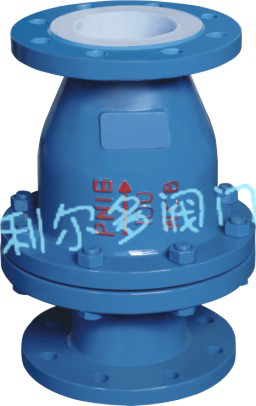
check valve It is a one-way valve used to handle corrosive media, and its lining with fluoroplastic can effectively prevent the media from corroding the valve body. The correct installation method is important to ensure the normal operation of the fluorine lined check valve in the system. Today
Fluorine lined valve factory Let me introduce it to everyone.
The correct installation method for fluorine lined check valves:
1. Preparation before installation ● Check the equipment status: Before installation, carefully inspect the overall structure of the fluorine lined check valve, especially the fluorine plastic lined part, to ensure that there is no damage or crack. At the same time, check the integrity of components such as valve discs and flanges.
Cleaning the pipeline: Before installing the valve, it is necessary to ensure that there are no impurities, welding slag, or other foreign objects in the pipeline to prevent them from entering the valve body and affecting the normal operation of the check valve.
2. Determine the installation location and direction Flow direction confirmation: The fluorine lined check valve is a one-way valve, and during installation, it must be ensured that the flow direction of the medium is consistent with the arrow direction marked on the valve body. If the installation direction is incorrect, the check valve will not work properly, resulting in medium backflow or damage to the valve body.
Installation angle: Fluorine lined check valves are usually installed on horizontal pipelines, and the valve cover should be ensured to face upwards. For certain models of check valves, vertical installation is allowed, but it is necessary to ensure that the medium flows from bottom to top to prevent improper installation angles from affecting the free movement of the valve disc.
3. Precautions for flange connection ● Uniform tightening of bolts: Due to the fragility of the fluorine lining, special attention should be paid to evenly tightening the bolts when connecting flanges. Use the "diagonal tightening method" to gradually apply force to avoid over tightening on one side, prevent flange deformation or uneven stress on the fluorine lining layer, and prevent seal failure.
● Avoid overtightening: Bolts should not be overtightened, otherwise it will crush the fluoroplastic layer of the lining, affecting the sealing performance and service life of the valve.
4. Installation environment and pipeline support Ensure stable pipeline support: Fluorine lined check valves are relatively precise, and the weight of the valve should not be directly borne by the pipeline. Therefore, stable support devices must be installed near the pipeline to prevent valve damage due to pipeline shaking or stress concentration.
● Avoid stress concentration: During installation, it should be ensured that there is no excessive stress at the connection between the pipeline and the valve, especially in high or low temperature environments. The thermal expansion and contraction of the pipeline may cause the valve to bear additional stress, thereby affecting the integrity of the fluorine lining layer.
5. Inspection after installation Sealing performance inspection: After installation, it is recommended to conduct a pressure test on the system to ensure that there is no leakage at the flange interface and valve body. If a leak is found, the tightness of the bolts and the integrity of the fluorine lining should be rechecked.
Ensure no external impact: After the valve is installed, avoid external impact or strong vibration on the valve, as these external forces may cause the fluoroplastic layer inside the valve to break or detach, affecting its corrosion resistance.
By using the correct installation method, we can ensure the long-term reliable operation of fluorine lined check valves and effectively extend their service life, avoiding malfunctions and safety hazards caused by improper installation.