TIME:2020-11-30 Source: This site
The operating temperature of fluorine lined valves
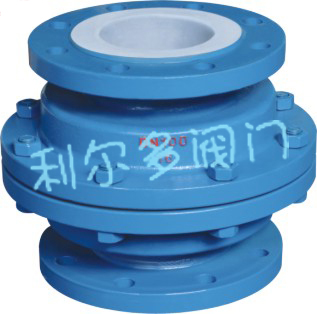
Fluorine lined valves are widely used valves, and many people know that the reason why these valves are "reused" is corrosion resistance. Because fluorine lined valves have corrosion resistance characteristics, they are also known as anti-corrosion valves. They are widely used in various concentrations of hydrochloric acid, sulfuric acid, nitric acid, aqua regia, organic acids, strong oxidants, concentrated and dilute acids.
Although fluorine lined valves are widely used, there are also many things to pay attention to during use, such as the temperature range. What is the temperature range for the use of fluorine lined valves? below
Fluorine lined valve factory Provide a detailed introduction for everyone.
There are actually many material classifications for fluorine lined valves, and different materials have different temperature ranges for use. The commonly used lining materials for fluorine lined valves currently include synthetic rubber (operating temperature between -10-120 ℃), polytetrafluoroethylene PTEF (-200-180 ℃), soluble polytetrafluoroethylene PFA (-196-260 ℃), and perfluoroalkoxy F46 (-85-150 ℃).
The above are the maximum tolerance temperatures of various materials that are publicly available. The actual temperature of the medium used varies depending on the material and pressure. The long-term use temperature should usually be lower than the upper limit by about 30%. Otherwise, the lining of each component of the fluorine lined valve is prone to deformation, resulting in large leakage or valve failure to open and close normally.